The Creole heart
Cape Verdean culture was created from nothing on empty islands, by people from two continents who had no choice but to build a new world together. Six centuries later the result is one of the most distinctive identities on Earth: Creole in language, African and Atlantic in spirit, and famously warm in character.
The untranslatable word
Morabeza
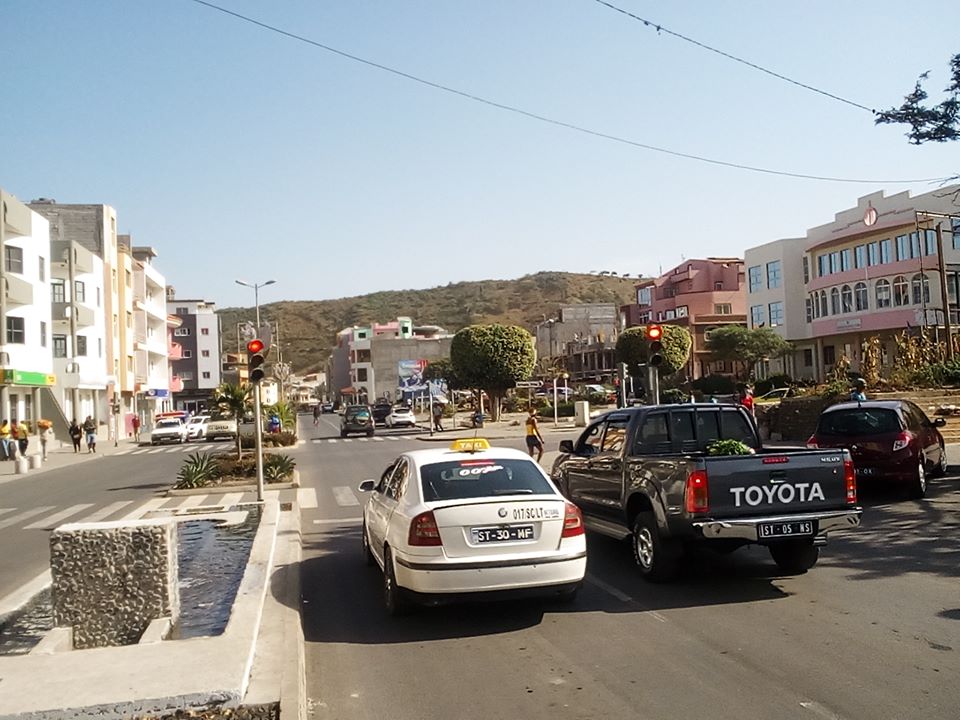
There is a Kriolu word with no exact translation in any other language: morabeza. It means something like hospitality, but deeper; the instinct to receive a stranger with warmth, patience and time. Cape Verdeans consider it their defining national trait, and a week on the islands will convince you they are right. Doors stay open, greetings are unhurried, and a visitor is never left standing.
Pillars of identity
What holds the islands together
Kriolu, the mother tongue
Portuguese is the official language of state, but the language of life is Kriolu, born in the 1500s from Portuguese and West African languages. It was the first Creole language in the world and is among the oldest still spoken. Each island keeps its own accent and pride: the Kriolu of Santiago (badiu) and of São Vicente (kriol d'Soncent) are the great dialects. Poets such as Eugénio Tavares raised it to literature a century ago, and it remains the heartbeat of identity at home and across the diaspora.
A nation of letters
For its size, Cabo Verde has produced an astonishing literary tradition. The Claridade movement of the 1930s, founded in Mindelo by Baltasar Lopes, Jorge Barbosa and Manuel Lopes, declared cultural independence decades before the political kind. Novels such as Chiquinho and the poetry of Ovídio Martins carried the islands' themes: drought, departure, longing and dignity. Amílcar Cabral's essays on culture as a weapon of liberation are studied worldwide.
Panu di tera, cloth of the land
The narrow-strip woven cloth called panu di tera is the country's oldest craft, its indigo and white geometry woven on looms brought from West Africa in the sixteenth century. Once so valuable it served as currency in the Atlantic trade, the cloth today appears in ceremonial dress and fine craftwork, and weaving cooperatives on Santiago keep the tradition alive thread by thread.
Crafts of clay, coconut and lava
Potters in the Santiago highlands still shape water jars by hand as their grandmothers did. Artisans work coconut shell into jewellery, weave baskets from cane, and on Fogo carve figures from cooled lava. The artisan centres of Mindelo and Assomada are the best places to meet makers and buy directly from them.
Sodade, the emigrant heart
More Cape Verdeans live abroad than on the islands, a legacy of drought and of the whaling ships that recruited islanders from the 1800s onward. The feeling this history left behind is called sodade: a tender ache for people and places far away. It shapes the nation's poetry, its festivals and its family life, where a cousin in Boston or Lisbon is part of every conversation.
Faith and festivals
The calendar turns on community celebrations: island patron feasts, the flag festivals of Fogo with their horse races, harvest gatherings, and pilgrimages that fill villages with returning emigrants every summer. Whatever the occasion, it ends the same way: long tables, shared food and children everywhere.
Football, the shared passion
Every island has its dusty pitch and its derby. The national team's rise, capped by the historic 2026 World Cup run, turned a pastime into the great unifying story of the young republic. On match days the entire country wears blue.
Heritage the world protects
Cidade Velha on Santiago, UNESCO World Heritage Site since 2009: the oldest colonial town in the tropics and the cradle of Creole identity.
The Tarrafal camp memorial, preserving the memory of resistance to colonial rule.
Biosphere reserves on Maio and Fogo recognised by UNESCO's Man and the Biosphere programme.
Keep going
Culture is best tasted
Half of Cape Verdean heritage lives on the table. The other half lives in the walk to it: the greetings on the street, the two extra chairs that appear from nowhere, the story that arrives before the food does.
To the island table →