The island table
Cape Verdean cooking is the food of people who learned to make abundance out of scarcity. Corn and beans, the crops that survive drought, sit at the centre of the table; the Atlantic supplies the rest. Every recipe carries the archipelago's story: African roots, Portuguese influence, and the thrift and generosity of island life.
What to eat
From the pot and the pier
Meals are unhurried and communal. A pot of cachupa simmers for hours and feeds whoever walks in, because in Cabo Verde hospitality is not a gesture, it is a reflex.
Cachupa
A slow-cooked stew of hominy corn, beans, cassava, sweet potato and vegetables, enriched with fish or meat when the house can afford it. Cachupa rica is the festive version loaded with extras; cachupa pobre is the humble everyday pot. Leftovers fried the next morning with an egg on top become cachupa guisada, arguably even better than the original.
Fresh Atlantic fish
Tuna, wahoo, grouper and swordfish come off the boats each morning and onto charcoal grills by noon. Grilled fish with xerém (corn porridge) or rice, a squeeze of lime and a spoonful of hot molho is the default lunch of the islands.
Lagostada
Spiny lobster grilled or stewed with garlic and peppers, a speciality of the fishing towns. On São Nicolau and Boa Vista it is the dish for marking a good day.
Xerém
Finely milled corn cooked slowly into a creamy porridge, often served alongside fish or stewed vegetables. It is the grain of celebration too, traditionally served at weddings.
Pastel com diabo dentro
A crisp fried pastry of corn and potato dough hiding a fiercely spiced tuna filling. The name is a warning and a dare at the same time.
Buzio
Whelks simmered dark and rich with beans and spices, a beloved dish that tastes intensely of the sea. Often cooked for family gatherings.
Frango assado
Chicken marinated in garlic, lime and local peppers, grilled over charcoal. Simple, ubiquitous and reliably excellent at roadside grills.
Tropical fruit
Papaya, mango, banana, guava and sugarcane thrive in the irrigated valleys of Santo Antão and Santiago. Papaya with fresh cheese from Fogo is a classic pairing of sweet and salt.
Queijo de cabra
Small rounds of fresh goat cheese made in the hills of Fogo, Santo Antão and Boa Vista. Eaten with papaya jam, tucked into bread, or grilled over embers.
Fogo coffee
Arabica has grown on the volcano's slopes since the 1800s. Small harvests, hand picking and mineral soils produce a cup prized across the islands; bags from Chã das Caldeiras make the best souvenir in the country.
Doce de papaia
Papaya preserve served with cheese, alongside coconut sweets, squash doce and honey cakes. Cape Verdean desserts are homemade, seasonal and rarely found in shops, which makes being invited to a home the culinary jackpot.
Table manners of the Atlantic
Food customs worth knowing
The open pot
Drop by a rural home near mealtime and a place will be set before you can object. Refusing food outright can wound; accept at least a taste.
Morning markets
Assomada on Santiago and the municipal markets of Praia and Mindelo are the great food theatres: pyramids of papaya, sacks of corn, fish auctions and vendors who remember every customer.
Corn is sacred
Corn arrived with the first settlers and kept the islands alive through famine. Wasting it is close to taboo; virtually every celebration dish is built on it.
Fish has a season
Islanders eat what the ocean gives that week. Menus in fishing towns are spoken, not printed, and change with the tide.
Bring some home
The volcanic harvest
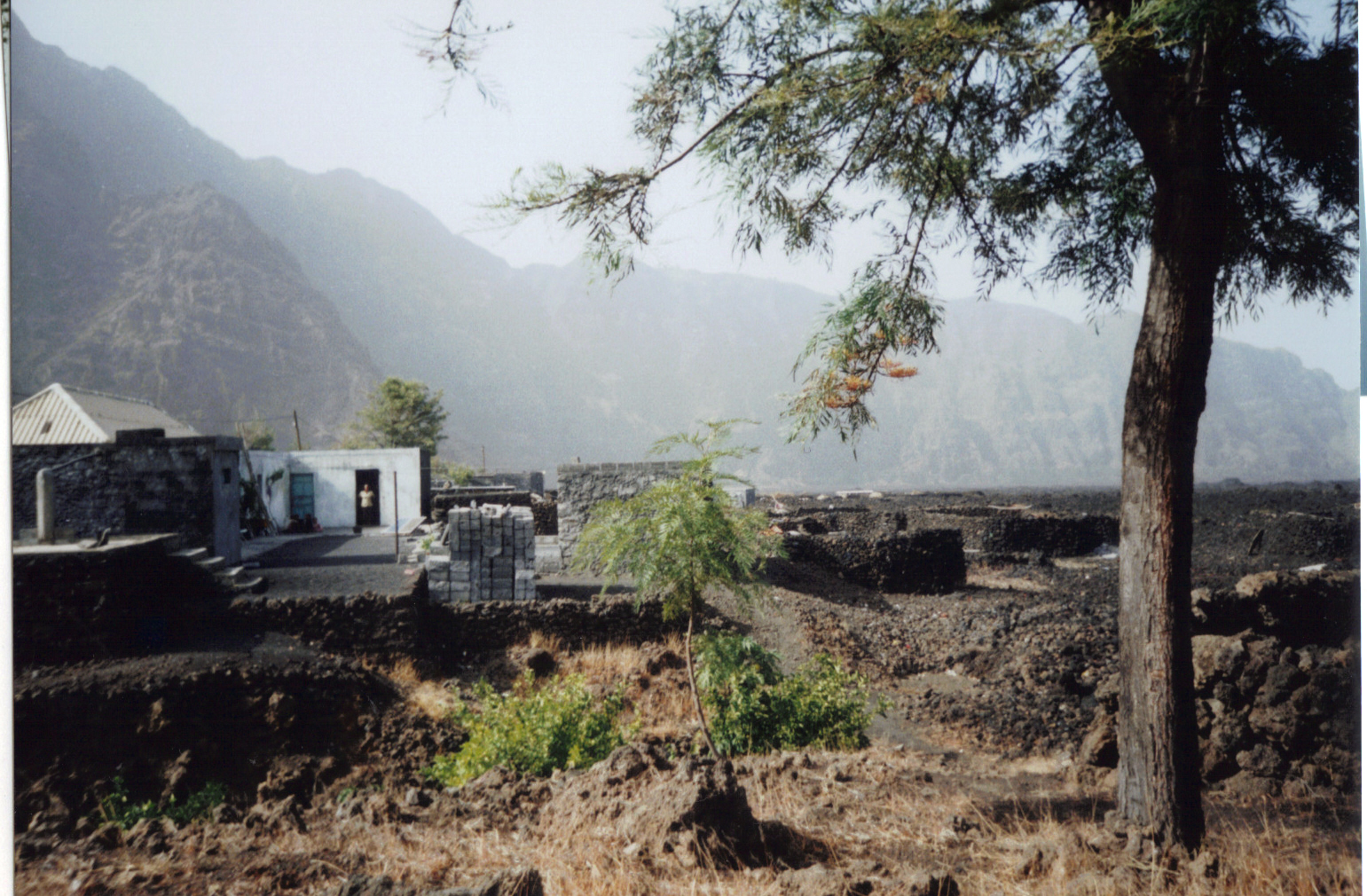
Fogo coffee, papaya preserves and goat cheese travel well and support island families directly. Buy them at source in Chã das Caldeiras or at the municipal markets, where every purchase comes with a conversation.
Visit Fogo island →